Understanding the Dual-Property Challenge in High-Temperature Applications
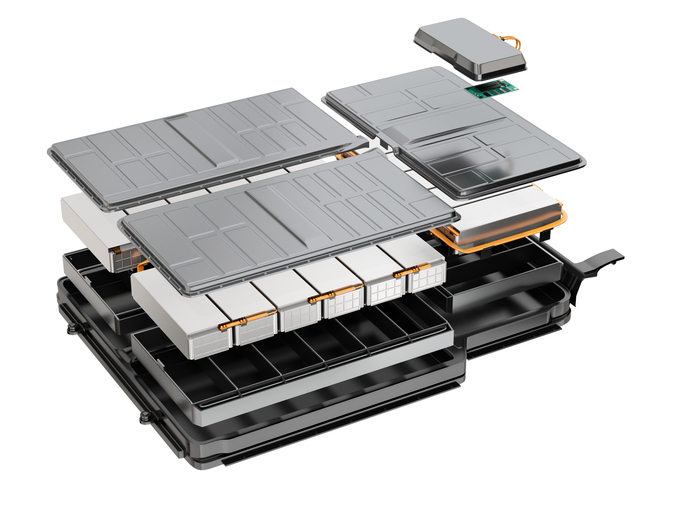
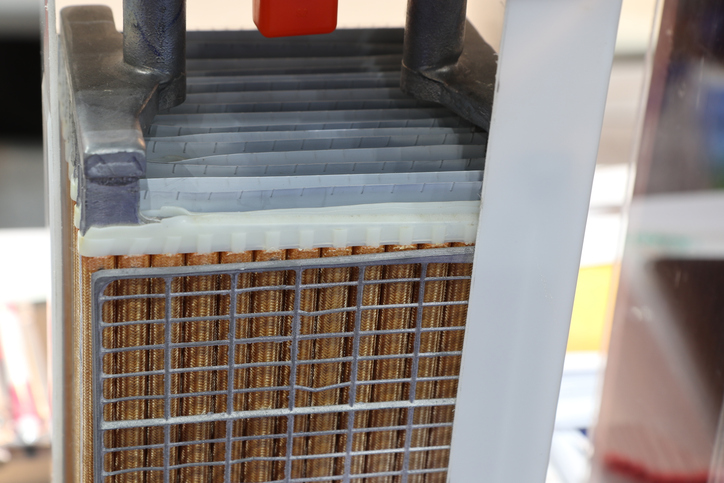
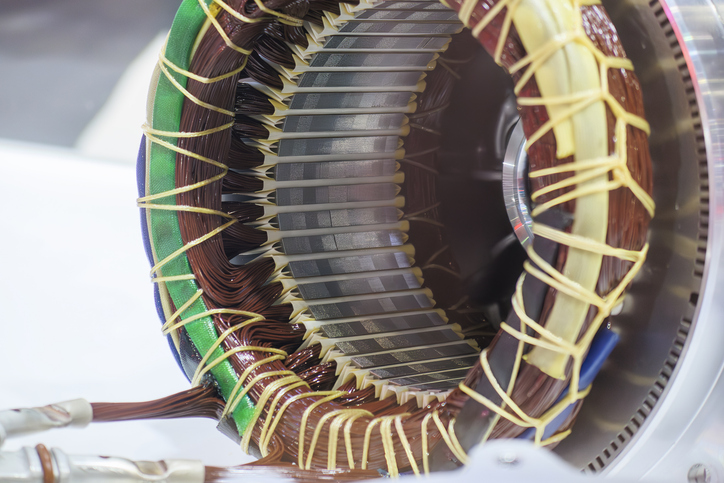
Selecting the right high temp insulation material requires more than finding something that won’t melt. In many demanding applications — motor windings operating above 200°C, EV battery packs with high-voltage isolation requirements, industrial furnace equipment — engineers need materials that simultaneously manage heat and maintain electrical integrity. While we’ve previously explored general thermal insulation properties, high-temperature applications introduce a critical layer of complexity: the dual-property challenge.
Here, we’ll explore a variety of high temp insulation materials through that twin prism.
Partner With Engineering Experts: Connect with Electrolock’s team to begin developing custom electrical insulation solutions engineered specifically for your application requirements.
Why High-Temperature Applications Require Dual-Property Analysis
A material that performs well thermally may fail electrically — and vice versa. Ceramics, for example, can handle extreme temperatures but offer limited dielectric performance. Conversely, some polymer-based insulations provide strong electrical isolation but degrade quickly above moderate temperatures. When both properties are required simultaneously, material selection becomes a precision engineering decision, not a catalog purchase.
The four properties that matter most are thermal performance (operating temperature range, thermal conductivity, fire resistance), dielectric performance (voltage isolation capability, dielectric strength measured in kV/mm), mechanical stability (dimensional consistency, flexibility, durability under cycling), and chemical resistance (moisture absorption, compatibility with process chemicals).
High Temp Insulation Material Comparison
PET (Polyester) — The Baseline
PET is the entry point of this conversation, not a true high-temp material, but useful as a baseline. With a thermal ceiling around 130°C and good dielectric strength, PET works well for battery cell insulation and moderate-temperature electrical components. It’s cost-effective and flexible, but once operating temperatures climb above 130°C, engineers need to move up the material spectrum. Learn more about PET applications in battery insulation.
Nomex® (Aramid) — Moderate High-Temp Range
Nomex® extends the temperature ceiling to 220°C in continuous operation while adding meaningful mechanical strength and flame resistance. With a dielectric strength of 35 kV/mm, it handles a wide range of electrical applications, including motor phase insulation and transformer components. Its primary limitations are moisture absorption and its inability to perform in applications pushing beyond the high-temp threshold. For applications in that 130–220°C window where mechanical durability matters, Nomex® is a reliable performer.
Fiberglass — Cost-Effective Through 600°C
Fiberglass bridges the gap between moderate and true high-temperature performance, operating up to 600°C in continuous service. With dielectric strength ranging from 19–24 kV/mm, it handles medium-voltage applications adequately. Its combination of thermal performance, dimensional stability, and cost-effectiveness makes it a standard choice across HVAC, industrial motors, and general industrial applications where extreme voltage isolation is not the primary requirement.
Mica (Muscovite and Phlogopite) — The Dual-Property Standard
For applications demanding simultaneous high-temperature and high-voltage performance, mica is the benchmark. Muscovite mica handles 500–700°C continuous operation; phlogopite extends that range to 800–1000°C for the most extreme environments. Both deliver exceptional dielectric strength in the range of 118–140 kV/mm — performance no polymer-based system can match at equivalent temperatures.
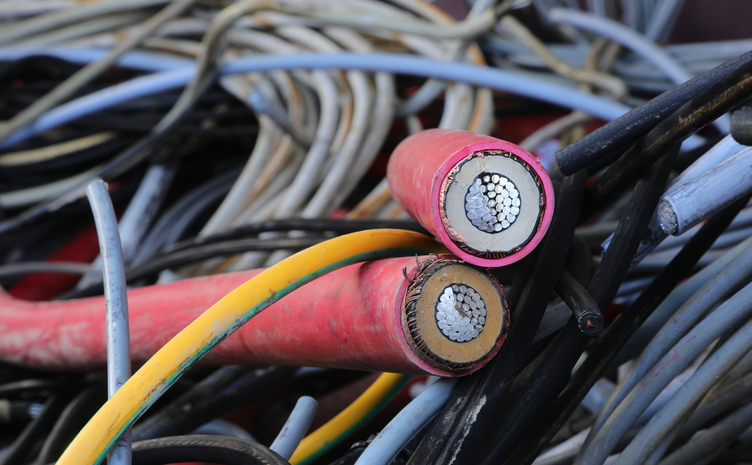
This combination makes mica the go-to material for high-voltage motor and generator ground wall insulation, EV battery thermal barriers requiring voltage isolation, and fire-survival cable applications. It can be engineered into flexible tapes, rigid panels, or molded shapes, giving designers significant flexibility. Explore high-voltage insulation solutions and battery insulation applications where mica is commonly specified.
Ceramic — Extreme Heat, Specialized Role
Ceramic materials reach the highest temperature ceilings — 1000–1260°C and beyond — making them indispensable for furnace linings, aerospace heat shields, and exhaust system insulation. However, some ceramic forms exhibit electrical conductivity, which limits their role in applications requiring dielectric performance. Where pure thermal management at extreme temperatures is the priority and electrical isolation is not, ceramic is the top performer.
Material Selection Framework
The temperature zone is the first filter. For the 130–220°C range, PET and Nomex® are practical and cost-effective. From 220–600°C, fiberglass and muscovite mica provide the right balance of performance and value. Above 600°C, phlogopite mica and ceramic are the specialized solutions required.
Electrical requirements then narrow the field further. Applications above 4kV consistently point toward mica due to its unmatched dielectric strength. Where extreme heat and high voltage coexist, mica is often the only practical solution that delivers both without compromise.
Engineer the Right Solution with Electrolock
Since 1957, Electrolock has been engineering high-temperature electrical insulation solutions across motor and generator manufacturing, battery systems, and wire and cable applications. Our engineering team works with clients to evaluate the full performance picture — thermal, dielectric, mechanical, and chemical — rather than optimizing for a single property. We also maintain comprehensive testing capabilities to validate material performance under your specific operating conditions before production commitments are made.
Contact Electrolock to discuss your high-temperature insulation requirements and find the right material for your application.